

Donate

Donate Tree or Seeds or E-waste
Our Company Address
Green Future Foundation
123 Nature Avenue,
Eco City, Green State 123456,
India
Email: contact@greenfuture.org
Phone: +91 9876543210
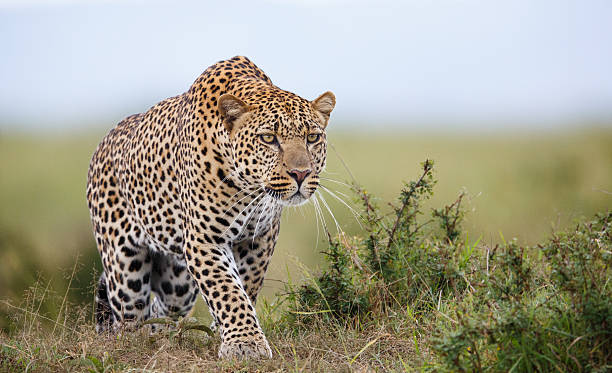
Big Cat Summit Delhi
Here’s an in-depth overview of the Big Cat Summit in Delhi:
🐾 What is the Summit?
The summit is part of the International Big Cat Alliance (IBCA)—a treaty-based intergovernmental organization launched by Prime Minister Modi on April 9, 2023, to conserve seven “big cat” species worldwide: tiger, lion, leopard, snow leopard, cheetah, jaguar, and puma .
On January 23, 2025, the IBCA officially came into legal force, with an interim Secretariat based in New Delhi, providing operational framework and setting global conservation agendas .
---
🗓️ Delhi Summit Details
Host & Significance: New Delhi is the designated home of the IBCA Secretariat, formalized by a Headquarters Agreement signed on April 17, 2025. The pact grants legal status, diplomatic privileges, immunities for personnel, premises, and visas — all cementing India’s role as host and leader in big cat conservation .
Attendance: Initially, 5 countries—India, Nicaragua, Eswatini, Somalia, and Liberia—ratified the IBCA framework. The summit aims to invite around 95 big cat range nations . As of early 2024, 16 countries and 9 international bodies (like IUCN and WWF) had joined .
---
🎯 Objectives of the Summit
The summit will focus on:
Sharing best practices: Establishing a global repository for anti-poaching, habitat protection, and ecological restoration strategies .
Capacity building: Training rangers, frontline staff, and local communities in member countries .
Mobilizing resources: Utilizing India’s ₹150 crore (2023–2028) funding to stimulate conservation projects, eventually expanding via fees, private partnerships, and grants .
Diplomatic cooperation: Strengthening international coordination to combat wildlife crime and climate threats to big cat populations.
---
📌 Why It Matters
Pan-global collaboration: Bringing together nearly 100 countries that host or have interest in big cat species.
Ecosystem impact: Protecting these apex predators has broader benefits—stabilized food chains, climate resilience, and reduced conflict with humans.
Conservation diplomacy: Reinforces India’s leadership in wildlife protection, echoes earlier initiatives like the International Solar Alliance .
---
✅ In Summary
The International Big Cat Alliance Summit in Delhi formalizes the permanent headquarters under international law and sets the stage for global cooperation.
With five founding countries and the backing of organizations like IUCN & WWF, it’s evolving toward a global coalition.
The summit’s core goals are knowledge-sharing, capacity enhancement, and leveraging financial support—tracking toward meaningful conservation outcomes.
Feel free to ask if you want details about participant countries, outcomes from earlier meetings, or how India's Project Tiger links to this alliance!
Here are frequently asked questions (FAQs) about the Big Cat Summit in Delhi and the International Big Cat Alliance (IBCA):
---
🐯 General
Q1: What is the Big Cat Summit in Delhi?
A: It's an international meeting hosted by the Government of India to convene countries that are home to big cat species. The summit formalized the operational structure of the International Big Cat Alliance (IBCA) and launched its permanent Secretariat in New Delhi.
Q2: What is the International Big Cat Alliance (IBCA)?
A: IBCA is a multilateral treaty-based organization focused on the conservation of seven major big cat species: tiger, lion, leopard, snow leopard, jaguar, cheetah, and puma.
Q3: When was the IBCA launched?
A: It was launched by Indian Prime Minister Narendra Modi on April 9, 2023, on the 50th anniversary of Project Tiger.
---
🌍 Membership & Participation
Q4: How many countries are part of IBCA?
A: As of now, 16 countries and 9 international organizations have joined. The summit aims to expand this to around 95 range countries.
Q5: Who attended the Delhi summit?
A: Representatives from founding countries like India, Nicaragua, Eswatini, Somalia, and Liberia, along with global organizations such as IUCN and WWF.
Q6: Can non-range countries join?
A: Yes, any country with an interest in wildlife conservation, even if it doesn’t host big cats, can apply for membership or observer status.
---
📍 Headquarters & Legal Status
Q7: Where is the IBCA headquartered?
A: The Secretariat is permanently located in New Delhi, India, under a Headquarters Agreement signed on April 17, 2025.
Q8: Does IBCA have legal standing?
A: Yes, the Headquarters Agreement grants it diplomatic privileges, legal status, and immunity under Indian law and international norms.
---
💰 Funding & Resources
Q9: Who funds the IBCA?
A: India has pledged ₹150 crore (~$18 million) as seed funding (2023–2028). Additional resources will come from member contributions, private sector partners, and international donors.
Q10: How are funds used?
A: To support:
Habitat protection
Wildlife monitoring
Ranger training
Cross-border collaboration
Scientific research
---
📊 Objectives & Impact
Q11: What are the main goals of the summit?
Establish governance for IBCA
Foster global collaboration in big cat conservation
Share anti-poaching and ecological best practices
Mobilize funding and technical support
Q12: How is IBCA different from other wildlife alliances?
A: It’s the first global alliance solely dedicated to apex predators and their ecosystem roles, with a legally binding structure and a permanent headquarters.
---
🔄 Future Outlook
Q13: What’s next for IBCA after the Delhi summit?
Expansion of membership
Pilot conservation projects
Publication of best practice manuals
Annual reporting and monitoring framework
Planning the next summit (tentatively 2026)
Q14: How can individuals or NGOs contribute?
They can collaborate on field projects, apply for grants, or engage as technical partners through IBCA’s partnership framework.
Search
Categories
Tags
Latest Article