


Donate

Donate Tree or Seeds or E-waste
Our Company Address
Green Future Foundation
123 Nature Avenue,
Eco City, Green State 123456,
India
Email: contact@greenfuture.org
Phone: +91 9876543210
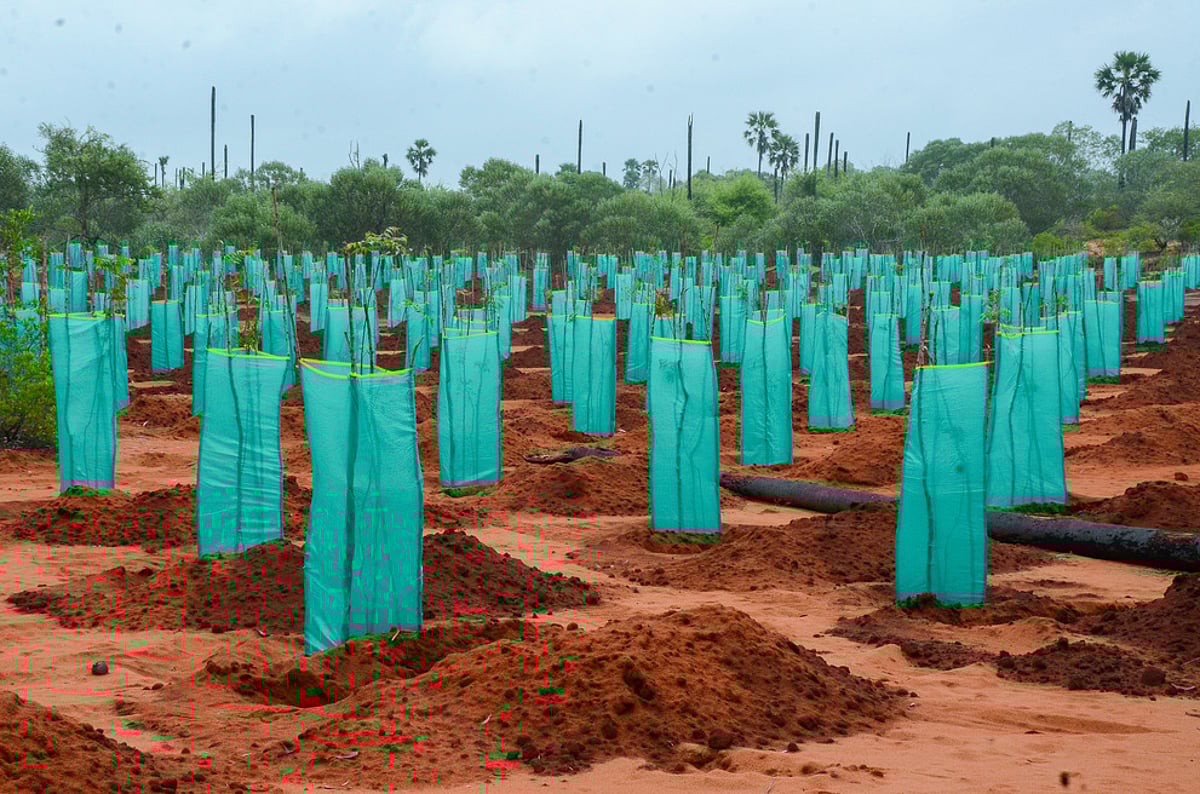
Green Chaupals in Uttar Pradesh
The Green Chaupals initiative is a recent environmental program launched by the Uttar Pradesh Forest Department to encourage community-led afforestation. Aimed at increasing the state’s green cover to 15% by 2030, these chaupals serve as village-level forums where local people can participate in environmental discussions and monthly plantation drives.
Key Features:
Community participation in tree planting and forest management. Creation of "Gram Vans" (village forests) to enhance local biodiversity. Focus on sustainability and awareness at the grassroots level.
This initiative highlights a collaborative approach to environmental conservation, combining government support with public involvement.
🌿 FAQs on Green Chaupals in UP
1. What is a Green Chaupal?
A Green Chaupal is a modern adaptation of the traditional village chaupal, serving as a community space to promote environmental awareness, sustainability, and social development. These spaces may also facilitate discussions, training sessions, and community-driven projects.
---
2. Where are Green Chaupals located in Uttar Pradesh?
Green Chaupals are typically set up in rural areas of UP, often in collaboration with NGOs, state government schemes, or CSR initiatives of private companies. Common locations include village centers, near schools, or existing community gathering places.
---
3. What activities take place at a Green Chaupal?
Activities can include:
Tree plantation drives
Cleanliness campaigns
Water conservation awareness
Farmer education sessions
Skill development workshops
Women empowerment meetings
---
4. Who manages the Green Chaupals?
They are usually managed by local panchayats, NGOs, or volunteers, sometimes in partnership with government departments such as the Department of Rural Development, Forest Department, or the Jal Shakti Ministry.
---
5. What is the objective of setting up Green Chaupals?
The main goals are:
Promoting environmental sustainability
Enhancing community engagement
Supporting rural development and self-reliance
Educating locals on green practices and climate resilience
---
6. How are Green Chaupals funded?
Funding can come from:
Government schemes (like MGNREGA or Swachh Bharat Mission)
CSR (Corporate Social Responsibility) initiatives
NGOs and philanthropic donations
---
7. Can local villagers participate in planning and decisions?
Yes, community participation is central to the Green Chaupal model. Villagers, especially youth and women, are encouraged to contribute ideas and lead activities.
---
8. Are Green Chaupals open to everyone?
Yes, they are inclusive community spaces intended for all residents of the village, regardless of age, gender, or caste.
---
9. What impact have Green Chaupals had so far?
Positive impacts include:
Increased awareness about environmental issues
Better waste management practices
Community unity and local leadership
Greener and cleaner village environments
---
10. How can one start a Green Chaupal in their village?
Interested individuals or groups can:
Approach local panchayat officials
Collaborate with an NGO or development organization
Apply for support under rural development or environmental schemes
Involve local schools, SHGs, and youth clubs
Search
Categories
Tags
Latest Article